“Fake News” and Its Impact on Politics
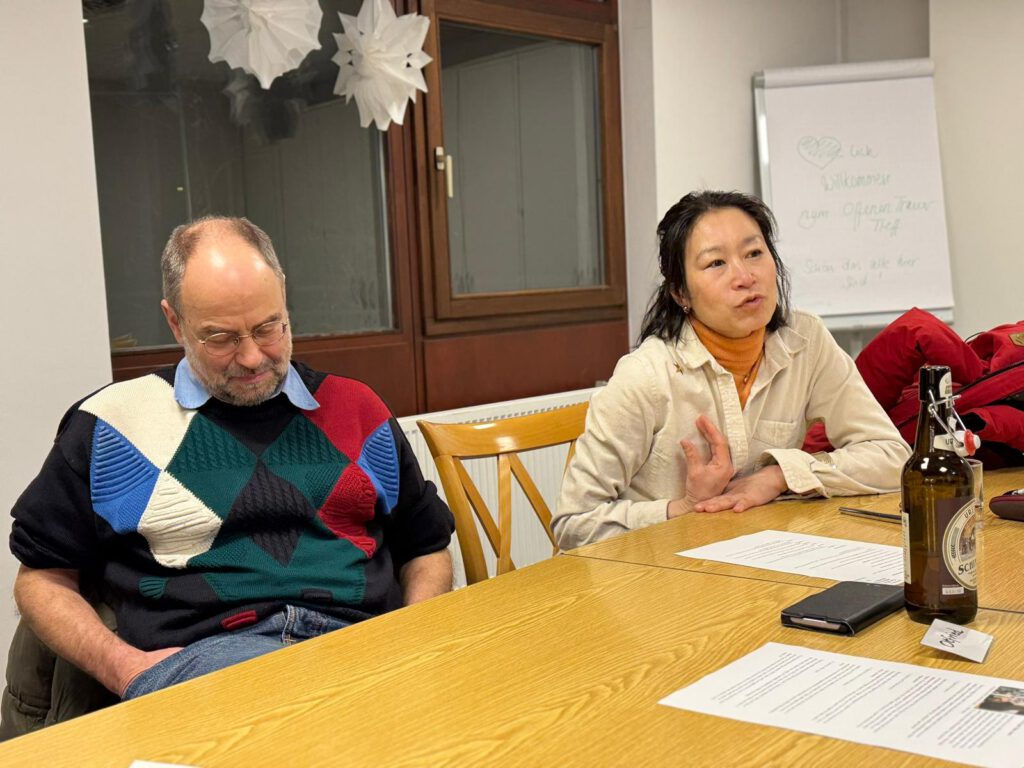
On 20 January, the Deutsch-Englische Gesellschaft Bayreuth e.V. (DEG) held one of its regular conversation evenings at Bürgerbegegnungsstätte Bayreuth, bringing together seven participants for an engaging and thoughtful discussion. The topic of the evening was “Fake News” and its impact on politics in today’s global political climate.
In keeping with the DEG’s mission to promote intercultural dialogue and exchange in the English language, the evening provided a space for open and respectful debate. The relatively small group created an intimate atmosphere that encouraged everyone to contribute their perspectives and personal experiences.
What Do We Mean by “Fake News”?
The discussion began by exploring what is actually meant by the term “fake news.” Participants reflected on the difference between deliberate disinformation, misinformation shared without intent to deceive, satire, and biased reporting. The role of social media platforms and digital algorithms was highlighted, particularly how they can amplify sensational or misleading content at remarkable speed.
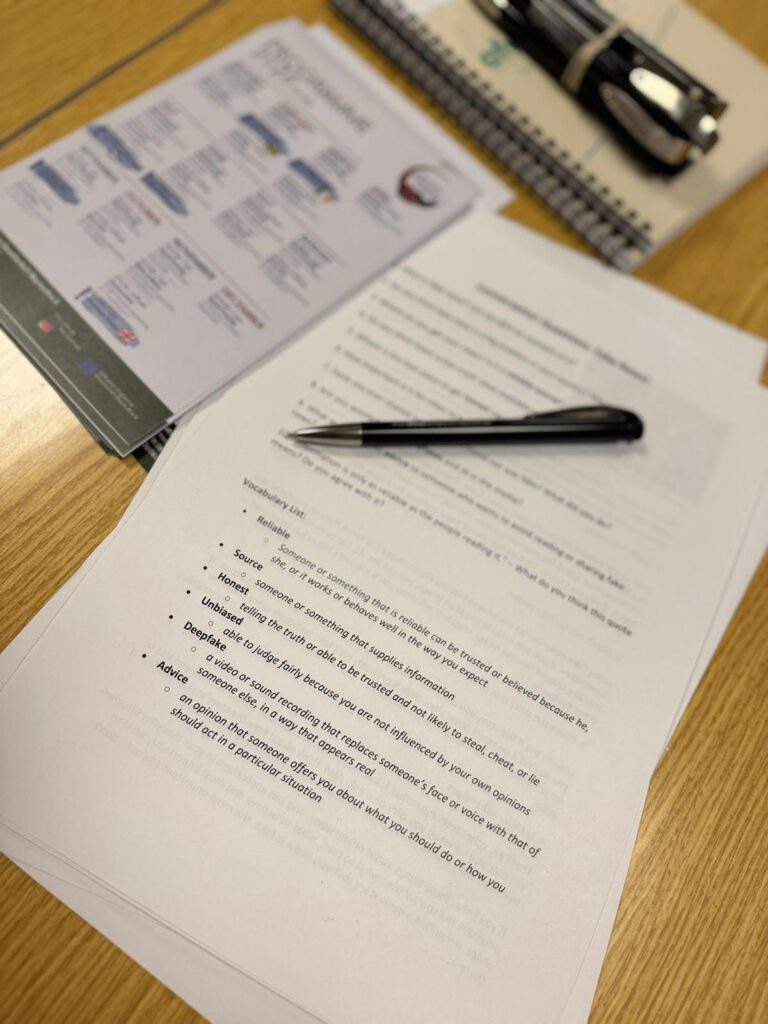
An important aspect of the discussion focused on the growing role of artificial intelligence. The group examined how AI can be used to generate highly convincing texts, images, audio, and videos — so-called “deepfakes” — which can blur the line between reality and fabrication. While AI offers many beneficial applications, participants agreed that its misuse poses significant risks for political communication and public trust.
Political and Social Consequences
The group then turned to the political implications. In the current global political climate, the spread of false or manipulated information can have serious consequences:
- Influencing elections and voter behaviour
- Deepening political polarisation
- Undermining trust in democratic institutions
- Fueling conspiracy theories
Examples from different countries were discussed, illustrating how disinformation campaigns can cross borders and affect international relations. The conversation also touched on how political actors may use misleading narratives strategically to shape public opinion.
Beyond politics, the participants also considered “fake news” in everyday contexts — particularly as gossip in the workplace. Rumours and unverified information can spread quickly within professional environments, potentially damaging reputations, affecting team dynamics, and creating mistrust. This perspective broadened the discussion, showing that the phenomenon of misinformation is not limited to global politics but can influence social interactions on a much smaller scale as well.
Media Literacy and Responsibility
A key theme of the evening was responsibility — both individual and institutional. Participants agreed that media literacy is becoming increasingly important. Being able to critically evaluate sources, verify information, and recognise emotional manipulation is essential in a digital age where information is constantly available.
The role of traditional journalism was also debated: How can reputable media outlets maintain credibility? What responsibility do technology companies bear? And how can societies protect freedom of speech while combating harmful disinformation?
An Evening of Constructive Dialogue
Despite the seriousness of the topic, the atmosphere remained constructive and collegial. The exchange of views demonstrated how valuable small discussion forums can be in fostering understanding and critical thinking.
The DEG’s conversation evenings continue to provide a welcoming environment for exploring current issues in an international context. Events like this underline the importance of dialogue, especially at a time when public discourse worldwide is often marked by division.
The Deutsch-Englische Gesellschaft Bayreuth e.V. thanks all participants for their thoughtful contributions and looks forward to the next stimulating discussion.
 using WordPress and
No responses yet